

Humanizing VR (and drawing a connection to hospitality)
Designing for Virtual Reality + UX Research
Time Frame
May 2022 - Aug 2022
Project Status
This project displays my work from my Micro-Thesis at George Brown College. It was done as a research case study; I won an award for the best Interactive Media experience for AR/VR at George Brown College in 2022. I also won the Dean’s medal for the highest academic performance through my post graduate program.
Team
Me, Ahmet Kokulu (Thesis Advisor), Izzy Rashid (Special mention for ideation and help)
Tools
Autodesk Maya, Unity Game Engine, Oculus Quest
This was a shot at making VR accessible to a variety of new users and helping answer questions about what the future of VR should/may look like. Through a series of usability tests, I was able to prove that the real power of VR lies in its combination with people connecting with their surrounding world (and not solely in the digital experience itself); particularly in connecting with others in the same space (A.k.a Mixed Reality).
I did this project due to my interest in exploring the connection between the 3D and 2D design worlds. Due to a background in 3D/Industrial Design, and an interest in Human-Computer Interactions, I set out to understand how VR will shape various industries and vice-versa.
Secondarily, due to a particular draw to the hopitality industry, I also tried to explore and pitch how VR may be used in this industry in the future.
The Context/Background
While VR has become huge for a certain sect of the population, a huge group of people are still not able to fully comprehend how VR can add value to their lives.
To them, VR still feels too far away from the real world. While haptics in remotes and sensory jackets can help people feel closer to the reality for some of the action, physically being able to move around and interact with things in their environment is still a missing factor to making VR feel more real. i.e. this is still not common VR practice.
(For context, This thesis was done about a year before the revelation of the Apple Vision Pro at WWDC 2023.)
The Problem
To showcase that physical interactions within the same VR play area as the original space (physical space in conjunction with an interactable VR world) can improve the Virtual Reality experience significantly.
To then showcase the effect of Mixed Reality (MR) and display a way that something like this can be beneficial for boutique living spaces such as hotels with limited room.
The Formed Objective
-
The Hotel industry was one of the hardest hit industries at the onset of Covid-19. As the industry tries to come back, there is a new challenge. People now want to experience newer things. Even though people are willing to pay more money, at the minimum, they want to make sure they are able to access the amenities and services they like.
Even though COVID-19 caused thousands of hotels to close around the world, “In the long term, travel will return because of an important shift in consumption—an accelerated pivot from buying things to buying experiences.”
Sources:
Hospitality and covid-19: How long until ‘no vacancy’ for us hotels?
-
“Have you ever been to a really shitty bar on a first date? Did the date go well?”
The Precedent: It’s not about the food or the space - it’s about the two individuals and their experience of connection to VR and the Physical space - how do they feel when they can touch their surroundings but they see something else through a headset? How do they feel when they are able to connect with another person in the same VR + Physical space?
The Question that arose from the analogy: Do the fidelity/graphics of the surroundings matter or is it more about the connection with each other and just having the ability to sit on a couch or touch a thing in VR that makes the overall experience more engaging?
Driving my hypotheses forward:
The Formed Primary Objective of my Micro-Thesis
Connect people in VR like they connect in the real world.
“The action of holding hands or touching an object in the virtual world is not the same without the actual physical act of doing those things.” - Interview Participant.
Give VR a stronger stance by showing people that VR can be used as a tool to “enhance the real world” instead of be it’s own virtual entity. To then also make more (common) people experience the capabilities of VR and thus sell it as a tool of the present and for the future.
Accomplishing the formed Primary Objective through:
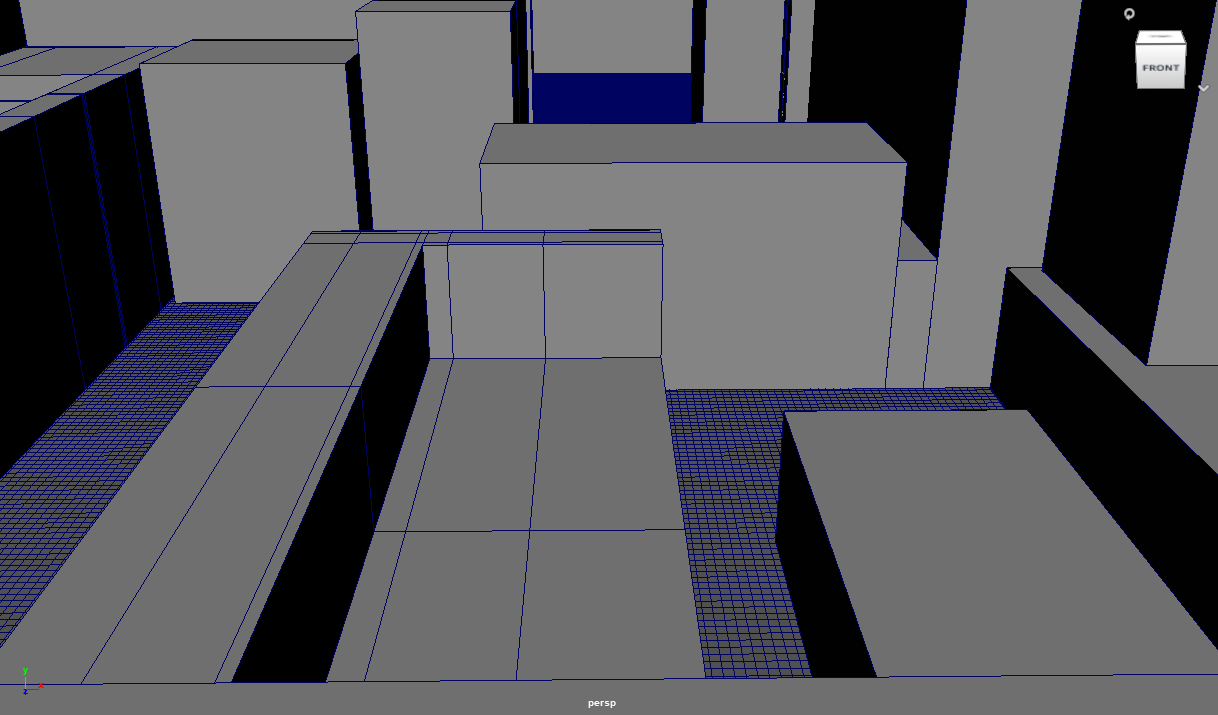
3D Modelling my apartment at a 1:1 scale and using objects as "building blocks”

Creating theme overlays on top of my modelled apartment.
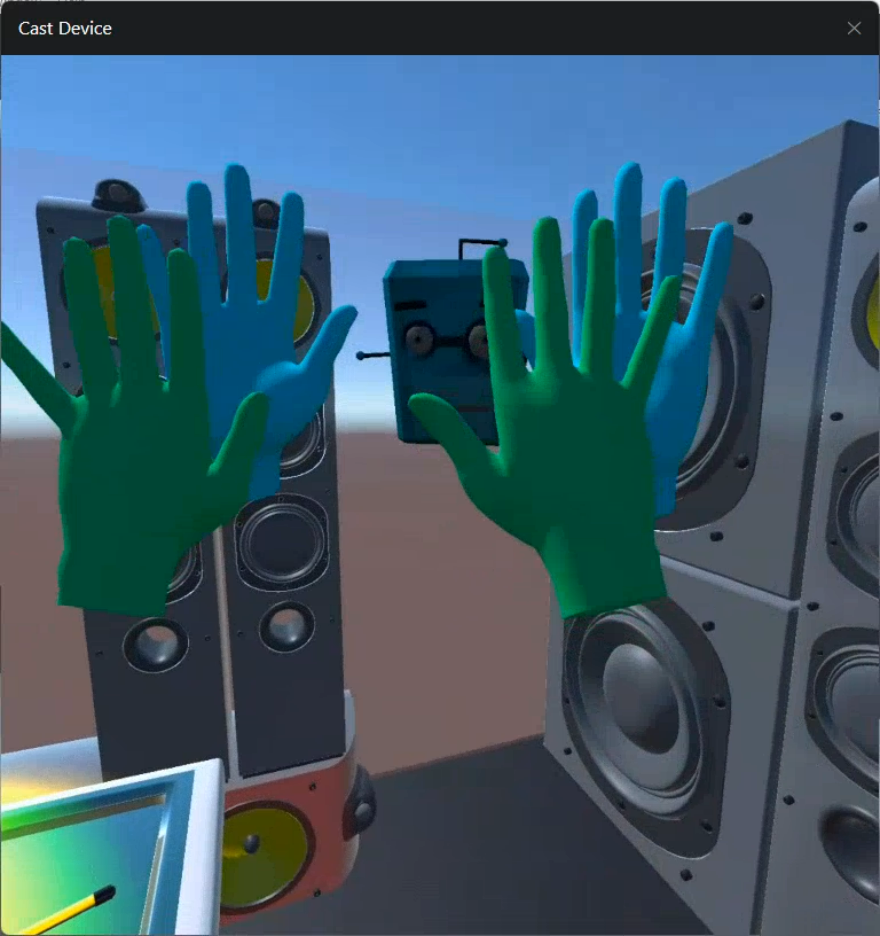
Using Colocation to test interactions of people in boutique spaces.
Learning Moments

The commonly available VR headsets of the time were not ready to handle high quality renders without a cable link to an external processor. Graphical optimization was a key component.

Connecting the real world to the digital world is not an easy task. Ensuring that things really align with each other in both spaces requires a lot of measurements and accurate modeling.
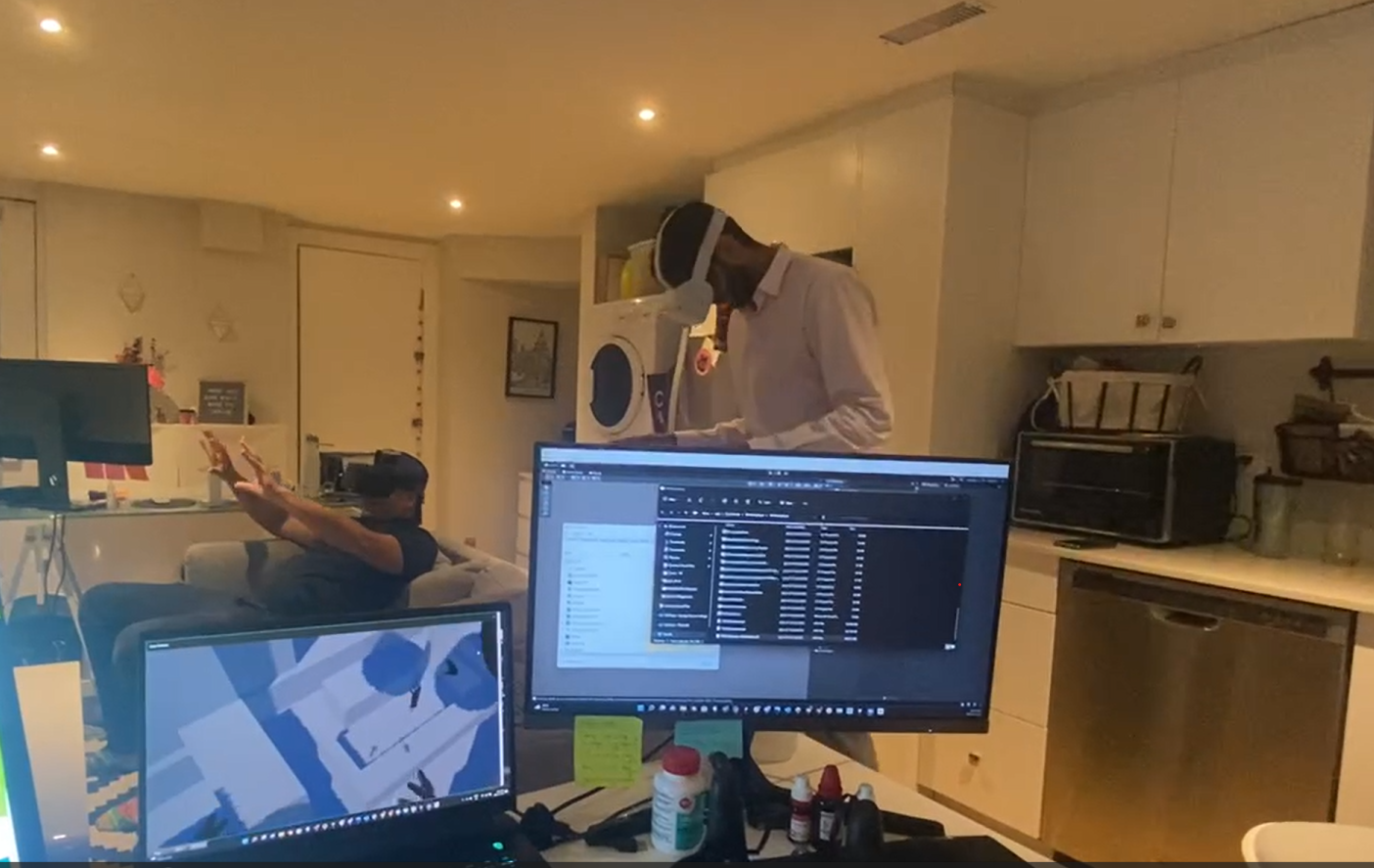
Connecting two headsets to the same space is even harder. VR was built for one person to be in a virtual space, so connecting two people in the virtual space brings additional complexities.
Primary Research & Learnings from studying this space:
-
Through this interview with [Name redacted] I tried to understand their POV regarding the present and future of VR within hospitality.
I learned that:
Major hotels are already using VR for things like architectural walkthroughs.
While there wasn't a fully fledged plan for how MR would be used in hotels, it was a part of what their innovation teams continuously explored.
-----
The original message I sent to gain this interview:
...I am working on my postgraduate thesis that revolves around Humanizing MR - essentially, I want to try to find out if there is a benefit in creating a world where a physical object can help enhance a VR experience and vice-versa. I am also really interested in working in the boutique hotel industry and my goal with combining those 2 is this - how can we have much less investment but much more meaning added to a person's stay in a boutique hotel? For example, "Can there be a room with a plain rectangular table that can be converted into something like a billiards table in VR, and how realistic can we make that experience?" I visited SandboxVR this weekend and gained some great insights
Please let me know if you would be willing to meet with me to discuss the same... -
While I watched and followed various channels, the two creators/communities that provided the most insights were:
What I learned from these channels:
Social MR + risks.
Virtual Feeling (and Haptics).
Latest Technology, Reviews and Reactions.
-
Through multiple conversations with people from the design industry, I gained ideas and inspiration to continue driving my project forward. I learned that:
There were plenty of industries that were already using and exploring further capability of XR. They shared projects that they had already been working on and how I could implement certain things into my own project. Some examples shared were:
While they agreed that there wasn't full adoption yet, they predicted the XR industry to continue growing.
-
I hosted a design charrette with various participants. In the charrette, I showcased some parts of my project that particpants were unaware of, and then tried to get a sense of what people thought about VR in general and it's adoption in hospitality.
I deduced that:
VR experiences need to be unique, but pursposeful.
Realism is crucial to making a VR experience successful. Involving other senses will help with this.
Customization and Scalability is important.
The experience should not be limited to one's skills; i.e. it should be easily transformable.
While haptics are important, the barrier to entry for such an experience to succeed needs to be low.
Social MR is the successful differentiator.
-
Luckily, I was able to get some tickets to the Collision conference in Toronto where I was able to experience tech including the XTAL 3 Headset.
-
I visited Sandbox VR to continue my research about the role of haptics (and ended up having too much fun).
Sandbox VR helped me get a sense of what it can be like to walk around in a space, use physical objects that are closely designed to what you may see in the VR world, and feel vibrations through haptic clothing.
While the game itself was super fun, the most important aspect of that experience to me was the presence and participation of other people in the same room. Being able to see your friends in the VR world and interact with them in the physical world (touch and hold shoulders when a friend dies in the VR world to revive them, and to hear them shout when they're getting attacked by alien bugs.)

Hosted a Design Charrette

Tested Advanced Technology

Experienced VR/MR at SandboxVR
The same space in 3 perspectives:

Real
Real/Virtual

Virtual+
View how the space transforms from Real to Virtual to Virtual+
Timestamp:
0s - 20s : Real
20s - 40s : Virtual
40s - 1m 04s Theme 1
1m 04s - 1m 34s Theme 2
Mixing Realities and Performing the Research:
2 Low-poly Themes
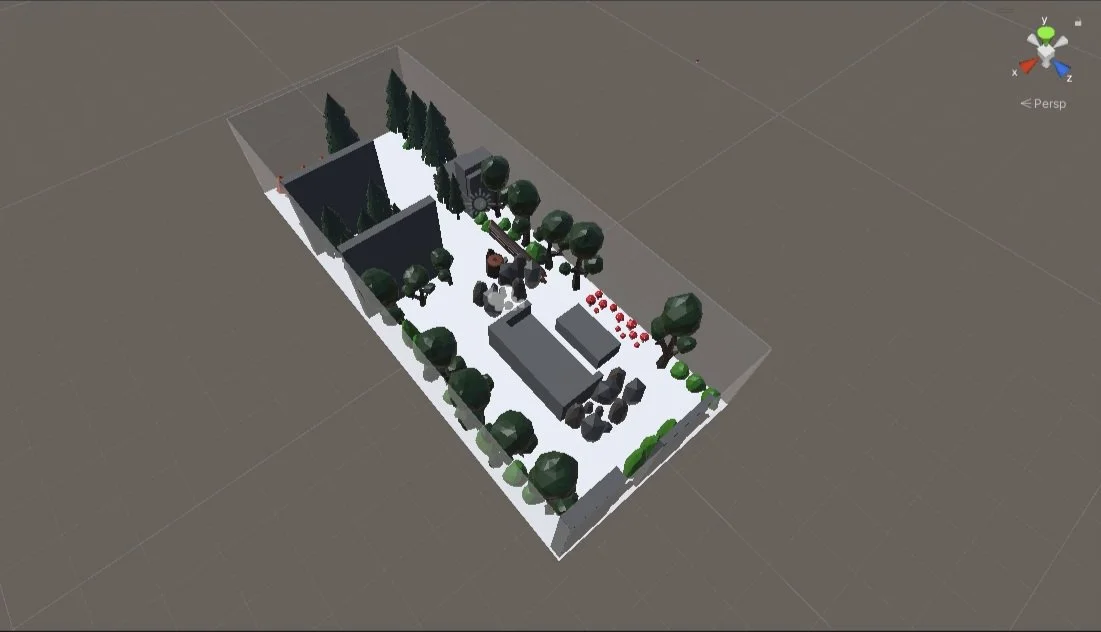
Theme 1: “Serene Forest”

Theme 2: “Vibrant Nightclub”

1 Oil Diffuser
To add the sense of smell, I used various scents through a diffuser.
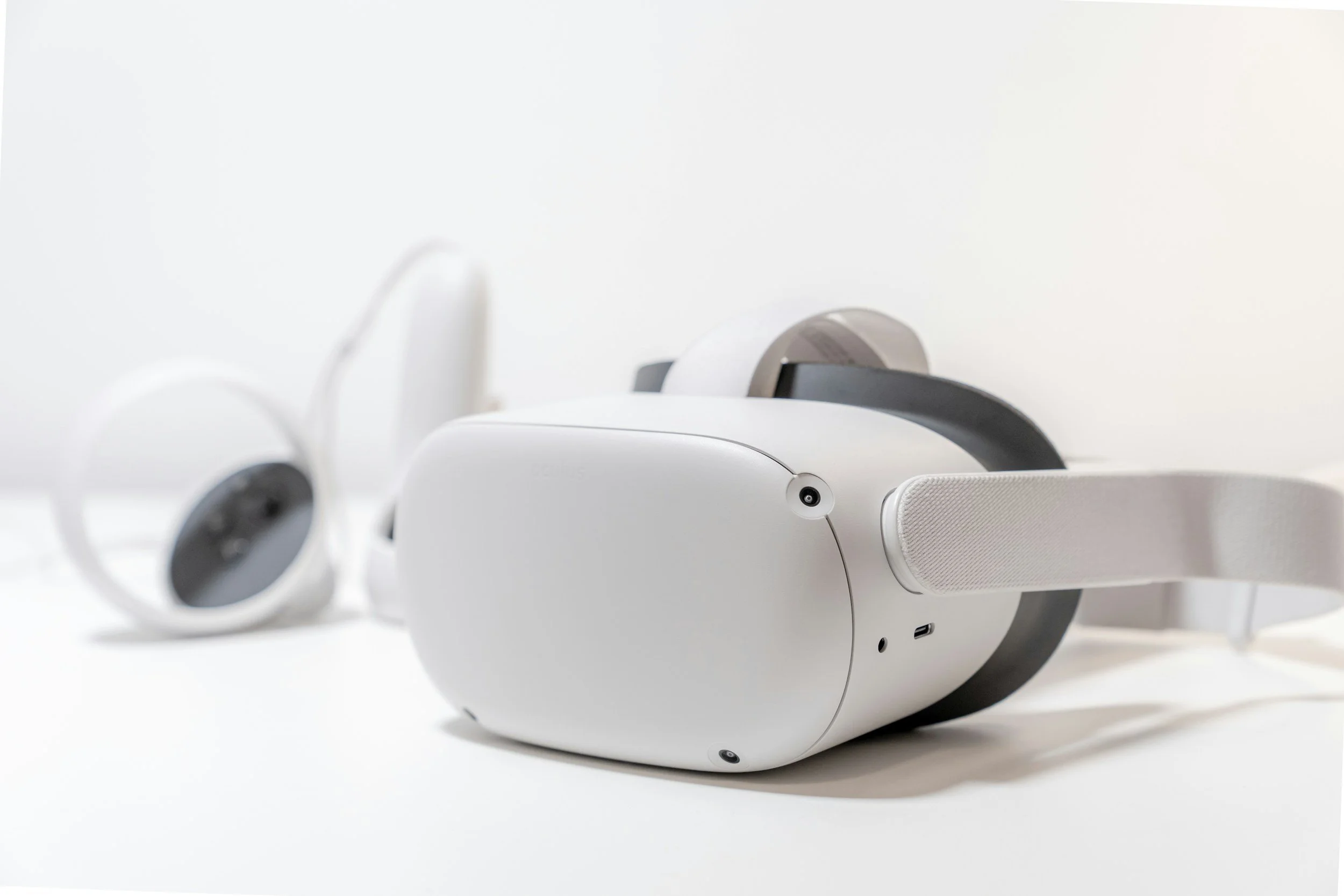
2 Oculus Headsets
The testing was done through Oculus headsets.

2 Speakers
To add the sense of sound, speakers were placed in different parts of the house.
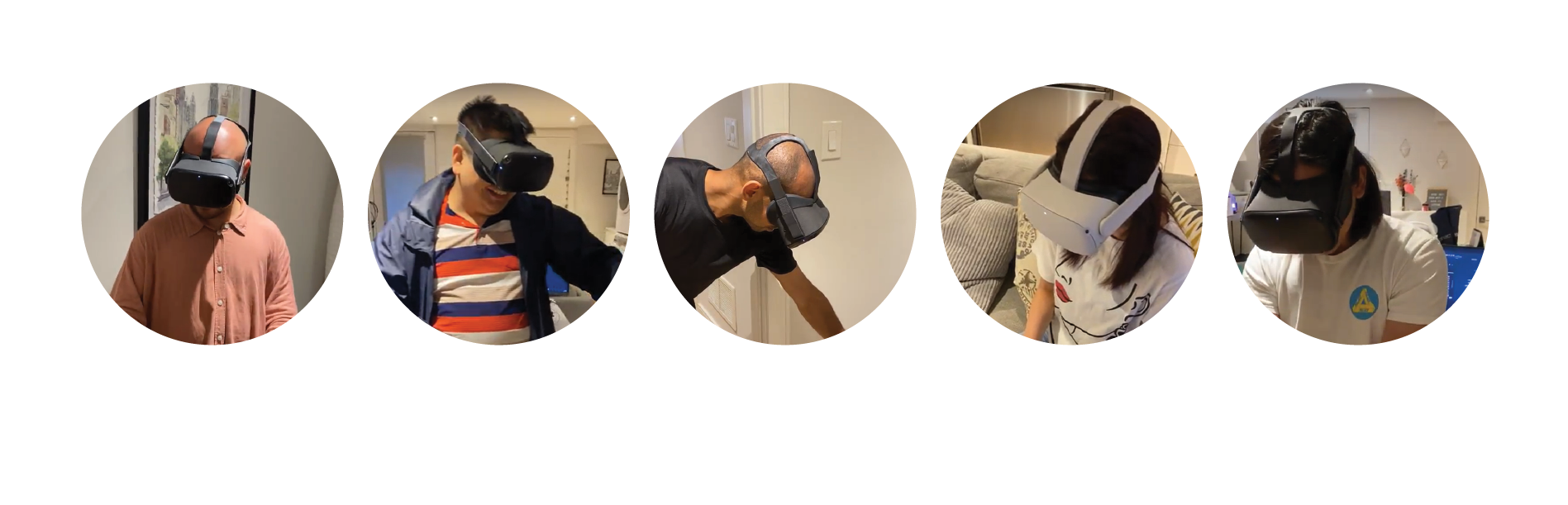
5 New-to-VR Participants
The usability tests were divided into 3 phases:

Phase 1 (True Virtual)
Users were made to play one of the highest rated and famous games from the oculus store to make them experience VR in it’s true form.

Phase 2 (Virtual+Physical)
Users were made to walk in the Serene Forest theme to explore what it feels like to walk in a mixed reality world and forest scents were released into the environment.
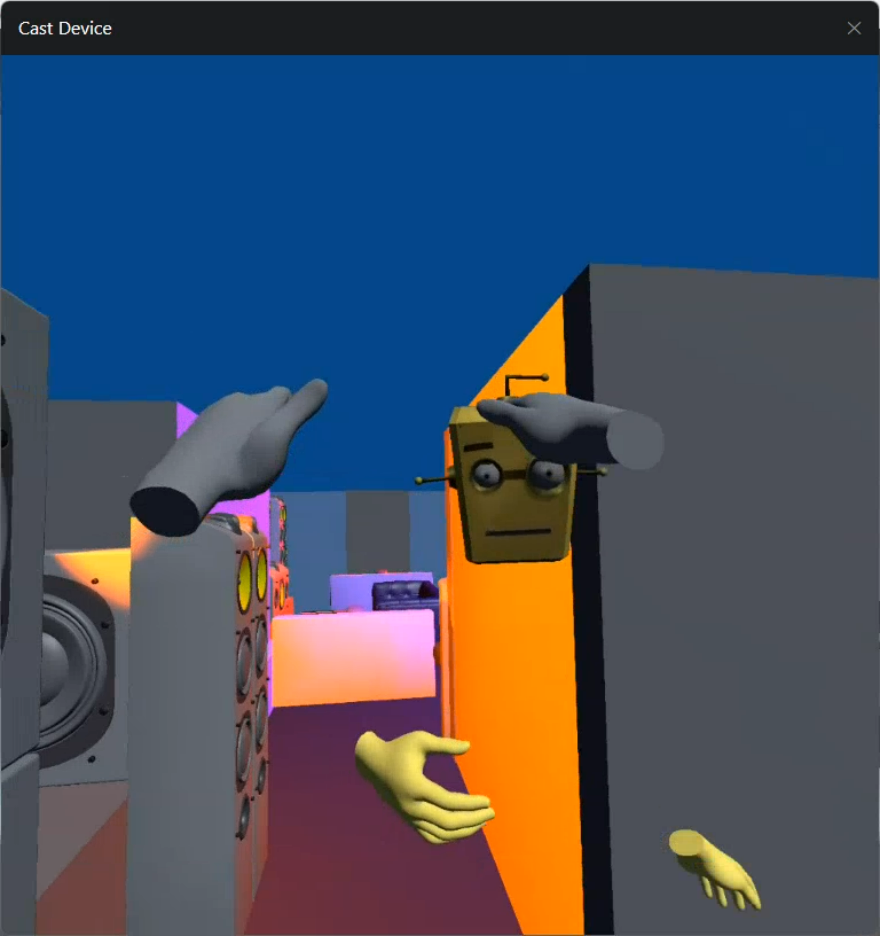
Phase 3 (Virtual+Physical+Interative)
Users were made to walk in the nightclub theme while also interacting with someone else who was also present within the same physical space and the nightclub theme.
View what people experienced in the virtual + physical + interactive space.
Timestamp:
0s - 1:01 : Users walk around the physical space seeing and interacting with a virtual+ world.
1:02 - 1:31: Users interact with each other in the virtual+ world.
Learnings from the usability testing:
-
3/5 people said that being able to use the actual space more freely would make the experience better.
-
4/5 people said that Physical interactions with Elements around them in real life played a bigger role than better graphics in making their VR experience better.
-
3/5 participants said that Human-Human Interaction played a bigger role than physical interactions with elements around them in real life or better graphics, in making their VR experience better.
What could have been better:
-
Interacting with someone else does not feel natural yet.
This could be because of multiple reasons that people mentioned:
Full body tracking/movement.
Calibration issues.
No actual visibility of the real world (passthrough).
-
“If something is off, automatically removes you from the experience.”
What accuracy will also fix: Making things seem more natural. Things actually where they are supposed to be.
-
If there is a grabbable object (billiards cue in our case), it should be interactable.
What I understood: If it’s not actually there to grab/touch, don’t put it in the VR environment.
Strategic Foresight (As of summer 2022):
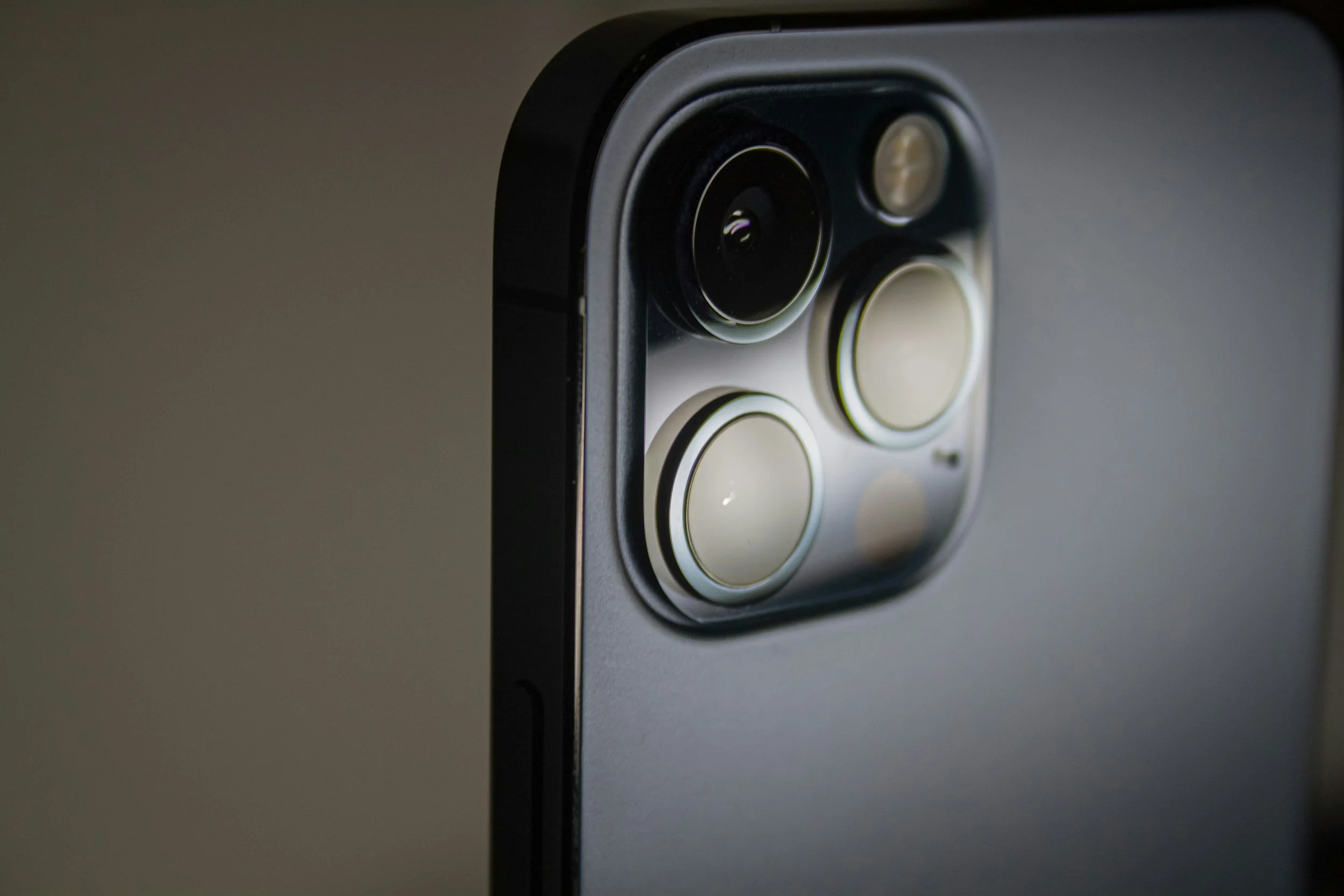
Revopoint, LiDAR, Roomplan
Apple released the LiDAR scanner first with the iPhone 12 Pro and displayed the roomplan app/features at the WWDC in 2022.

Dall-E/craiyon
Image generation through Natural Language Processing had just started to pick up the pace for the average person.
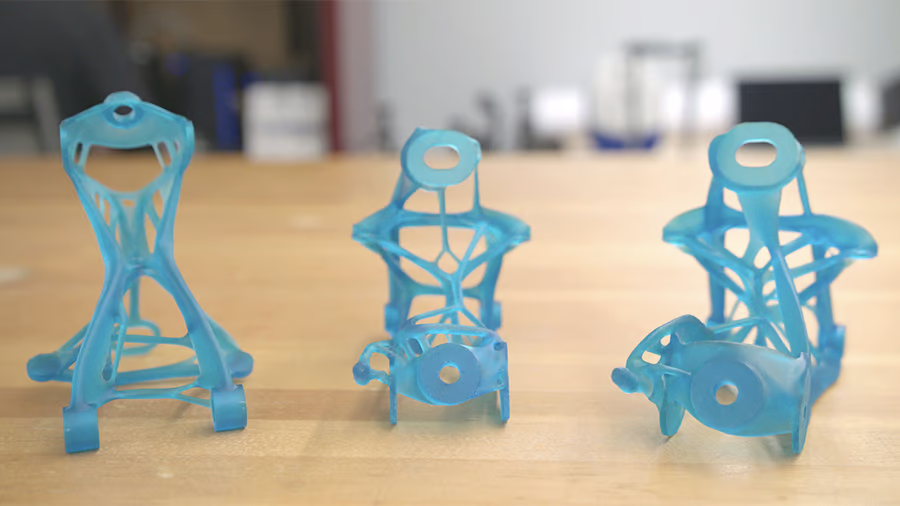
Fusion 360 Generative Modeling
Fusion 360 already has generative modeling capabilities. 3D models built through natural language commands are coming!
(Image source: Matt Alderton via Autodesk) Extacted from Lucas Carolo at All3DP.com

Shapeshifting Cubes
One cube that can become many things.
Sources I found while exploring this idea:
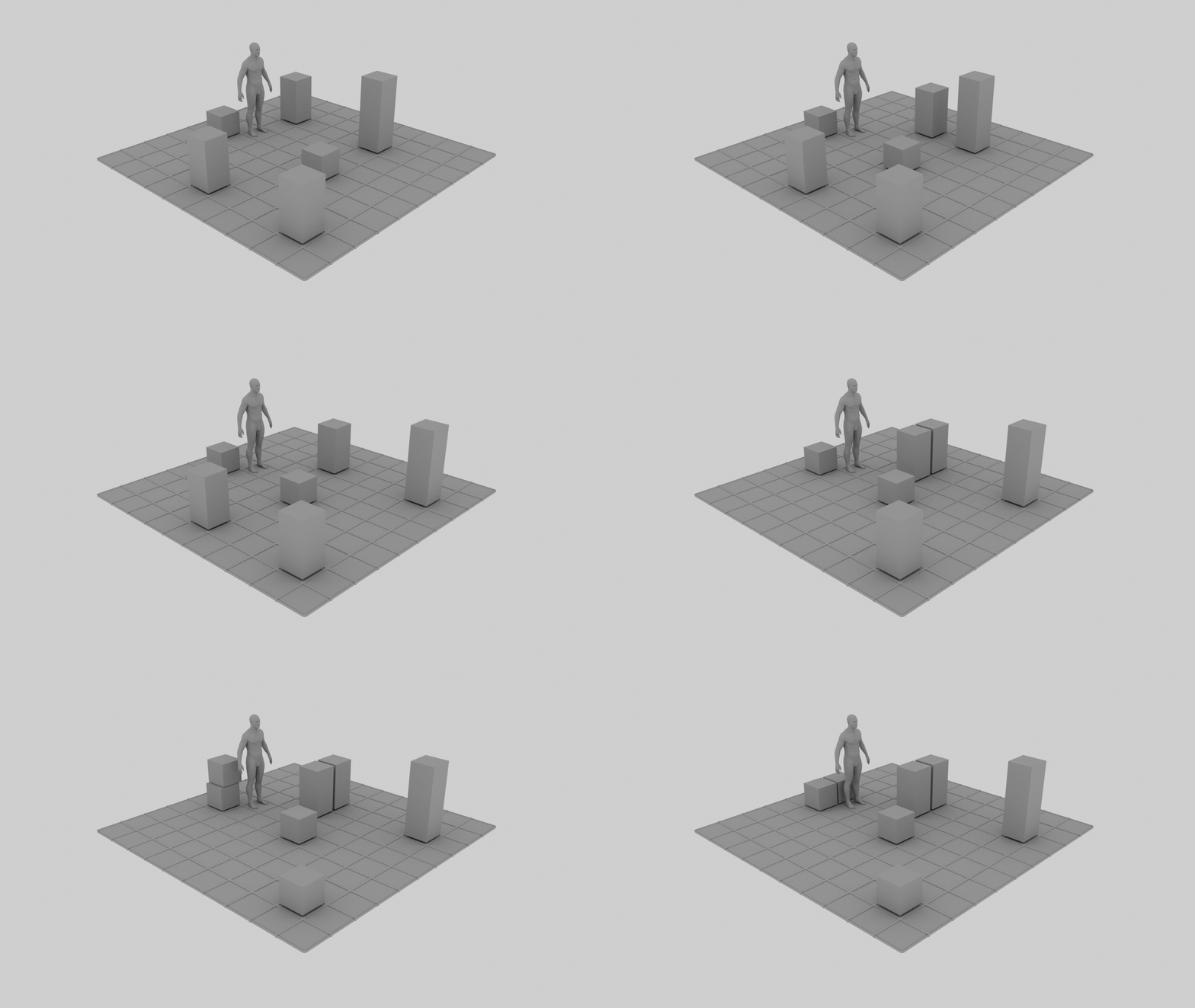
Automatically customizable rooms
Stack these shapeshifting cubes and put them onto a grid, and you essentially have any immersive environment you (or AI) can imagine.